Legacy
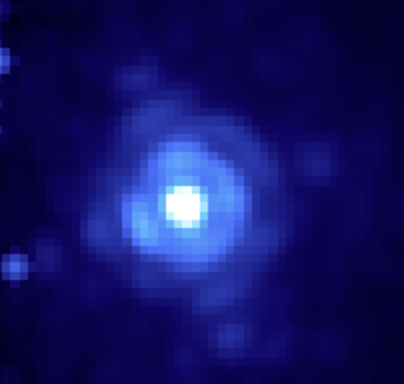
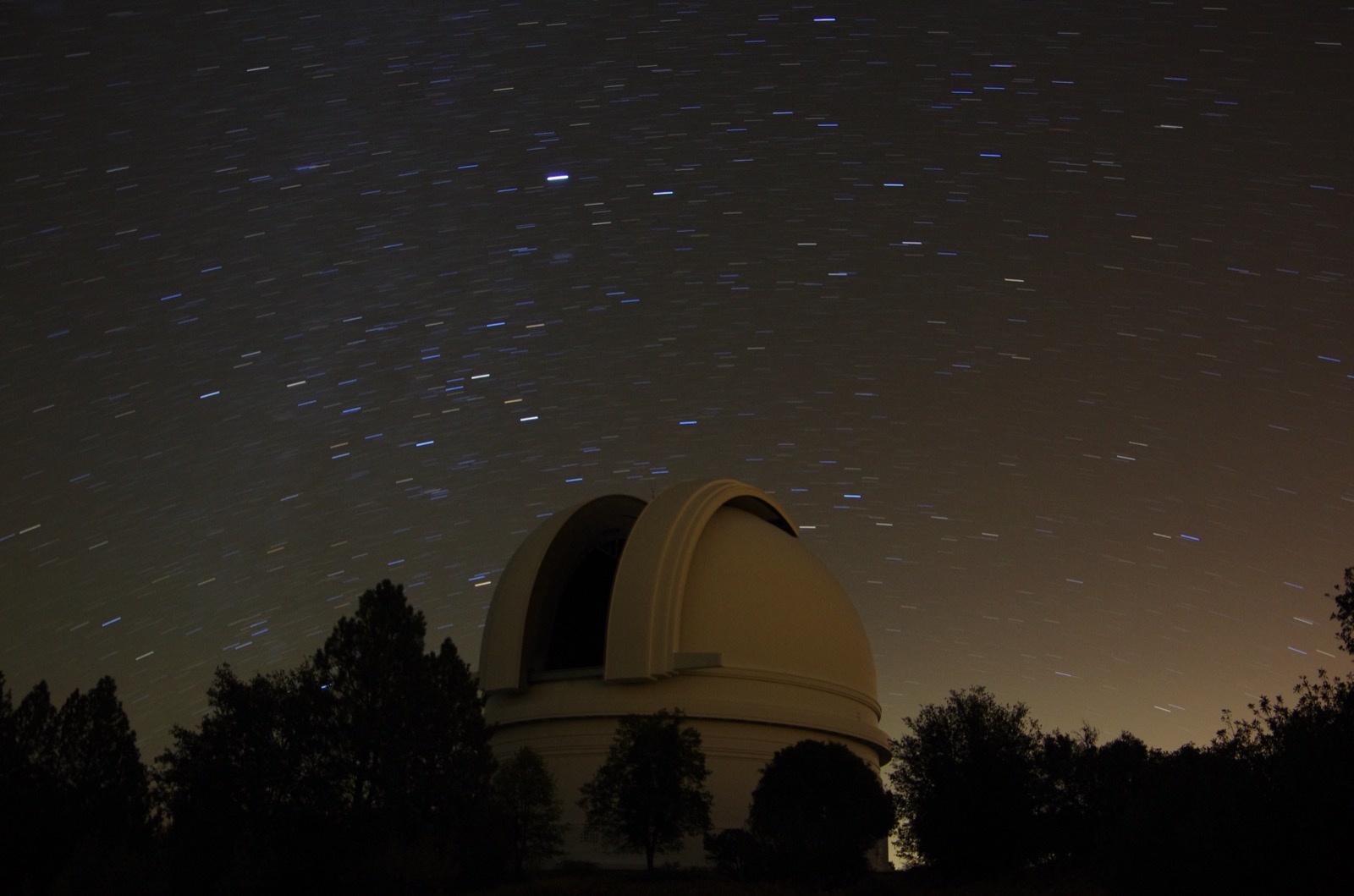
ARCONS
Palomar 200" & Lick 120"
The first astronomical instrument built with optical/UV MKIDs — a 2,024-pixel camera for the Palomar and Lick telescopes.
From the first MKID array cameras to next-generation coronagraphic imagers, the Mazin Lab has continuously pushed the frontier of superconducting detector technology.
From a 2,024-pixel prototype at Palomar to a 20,440-pixel exoplanet hunter at Subaru, Mazin Lab has driven the scaling of optical MKID arrays by an order of magnitude per instrument generation. Each successive instrument has pushed further in pixel count, wavelength coverage, telescope aperture, and coronagraphic integration — translating the fundamental capabilities of MKIDs into on-sky science results. The instruments below represent that arc of development, from first-light demonstrations through current facility-class deployments and next-generation designs.
Legacy
Palomar 200" & Lick 120"
The first astronomical instrument built with optical/UV MKIDs — a 2,024-pixel camera for the Palomar and Lick telescopes.
Legacy
Palomar 200" with SDC
The first MKID-based integral field spectrograph for high-contrast direct imaging of exoplanets at Palomar Observatory.
Active
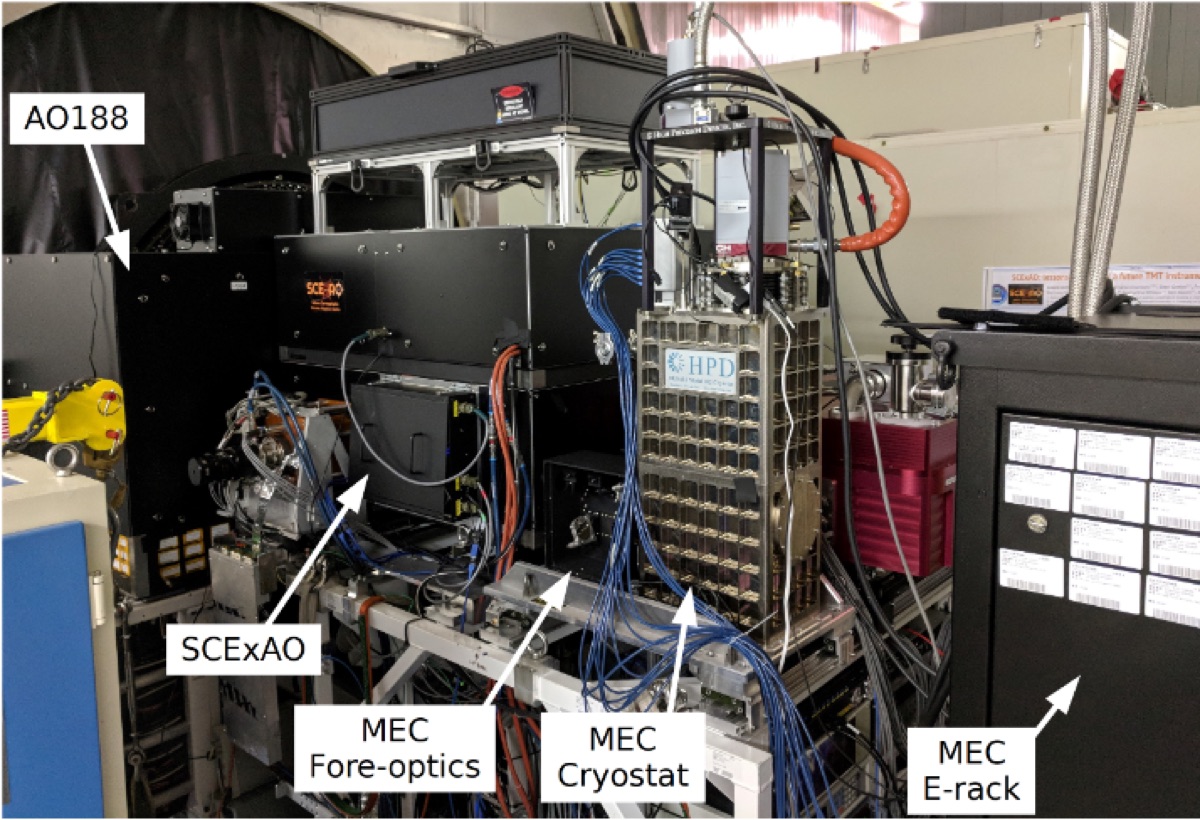
Subaru 8m with SCExAO
MKID Exoplanet Camera at Subaru Telescope — the world's first operational MKID instrument dedicated to high-contrast imaging of exoplanets.
Active
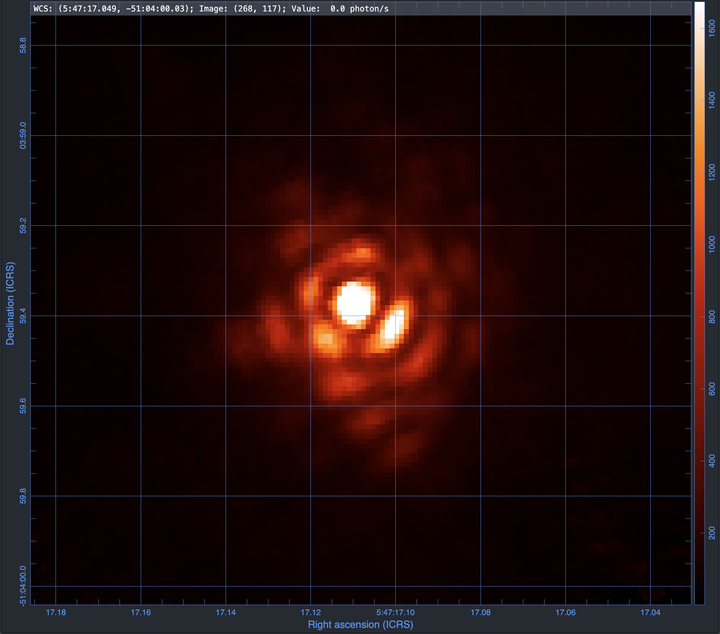
Magellan Clay 6.5m with MagAO-X
MKID integral field spectrograph at Magellan Clay telescope behind MagAO-X, enabling high-contrast direct imaging from the Southern Hemisphere.
Upcoming
Subaru 8m with SCExAO
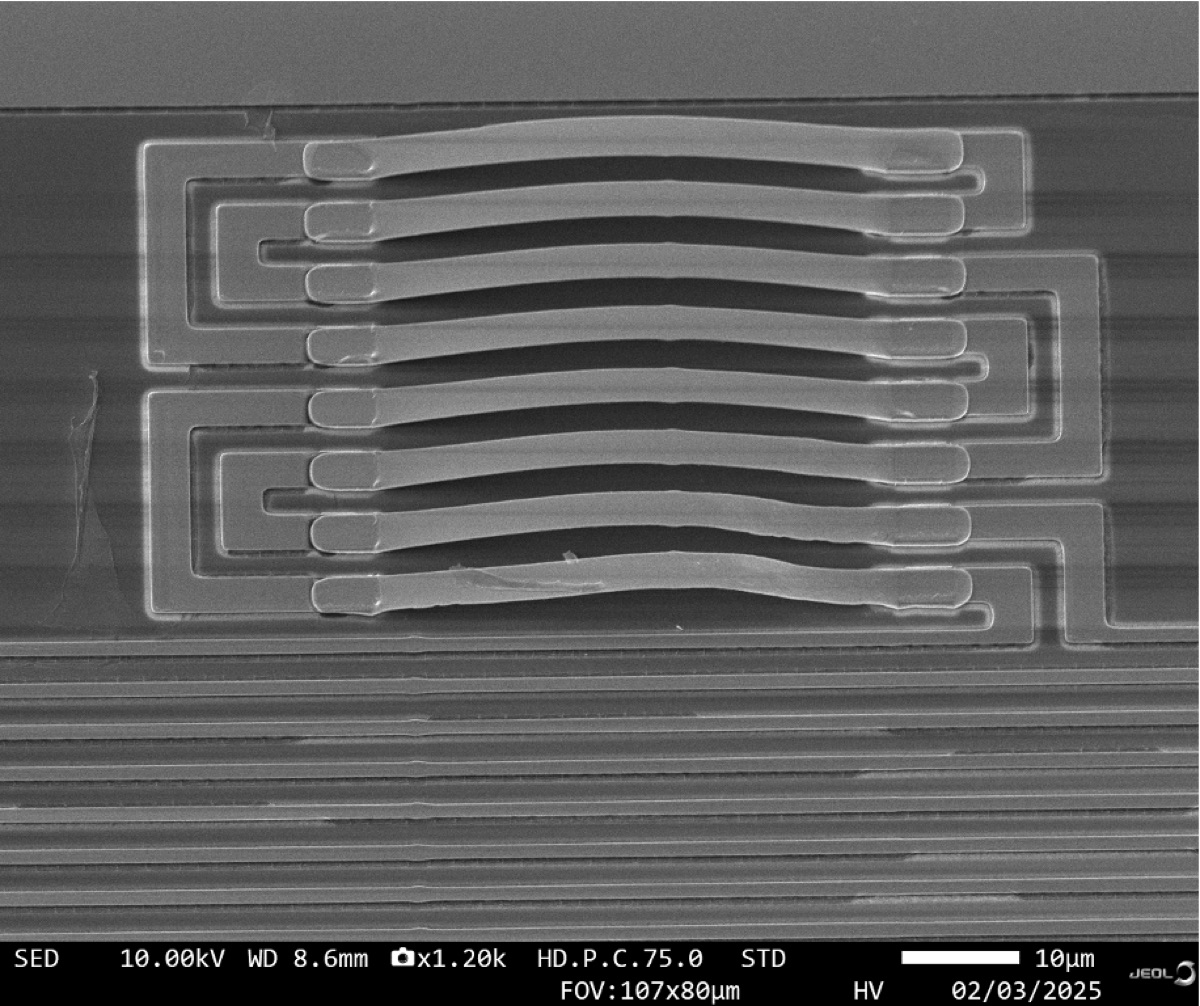
An upgraded successor to MEC with improved wavelength resolution and more functional pixels for exoplanet atmosphere characterization.
Upcoming
A seeing-limited multi-object spectrograph using MKIDs for noiseless, time-resolved spectroscopy of faint transients and variable sources.