 Legacy
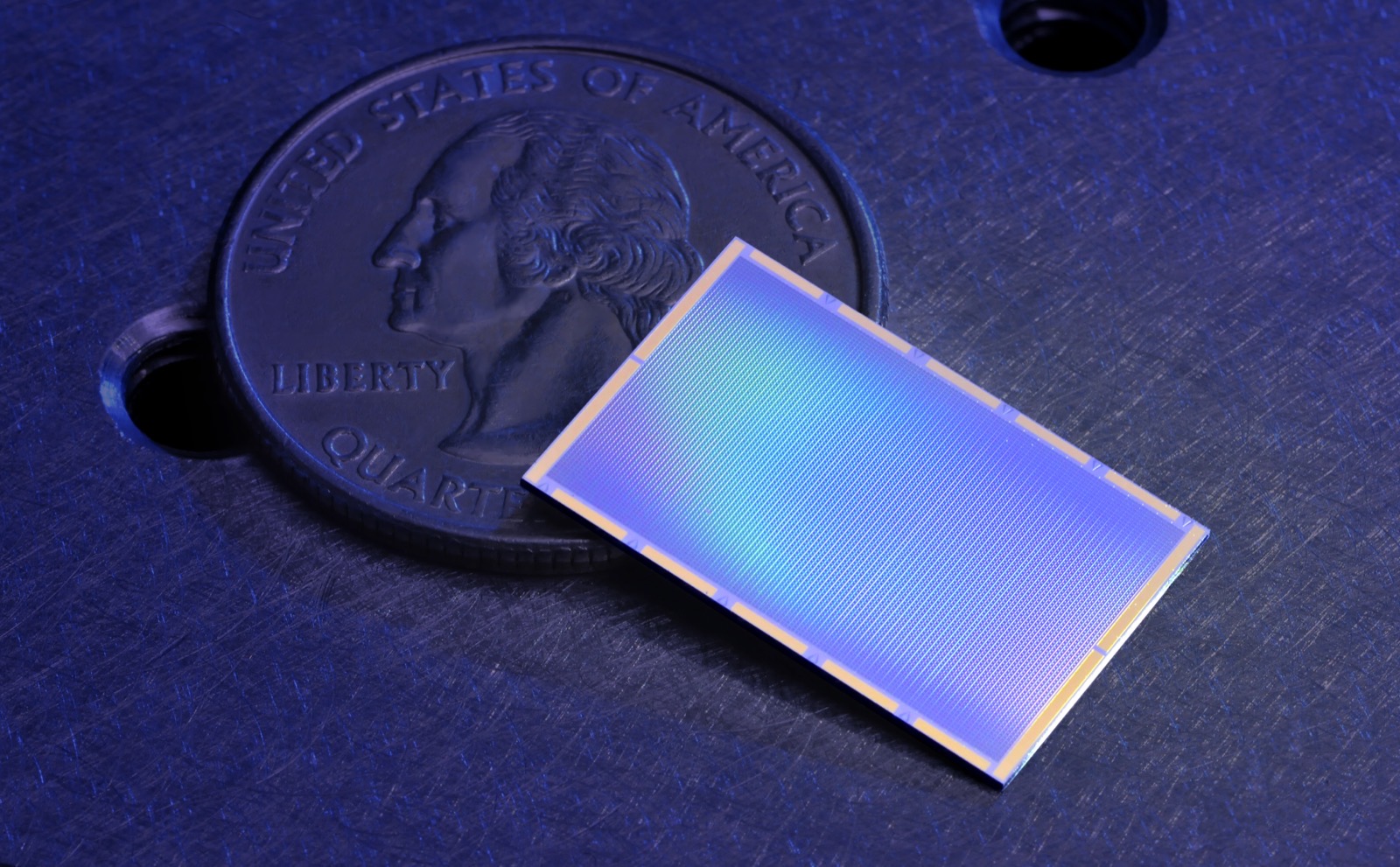
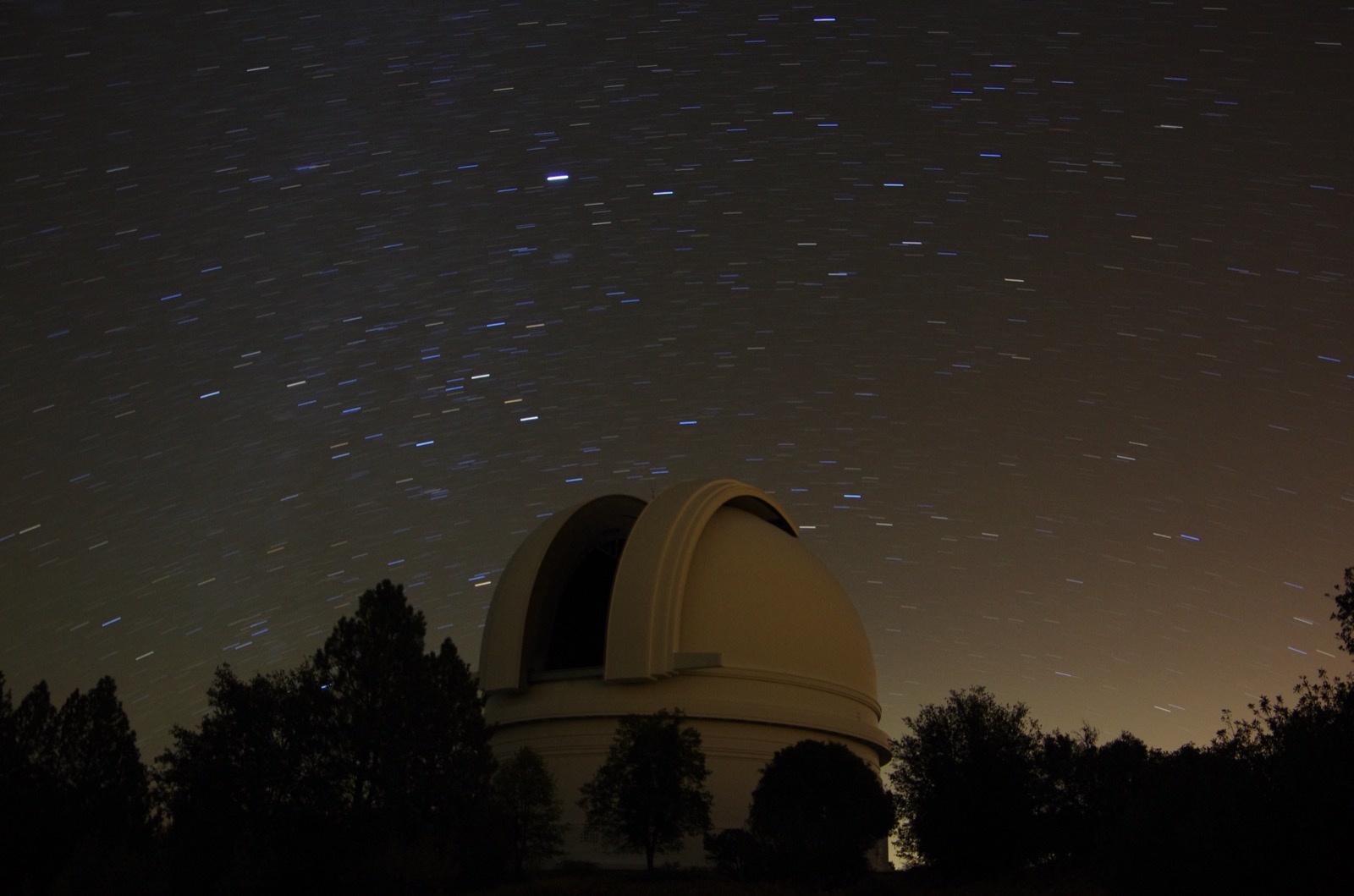
ARCONS
The first astronomical instrument built with optical/UV MKIDs — a 2,024-pixel camera for the Palomar and Lick telescopes.
2,024 px
0.38–1.1 µm
Learn more →
Mazin Lab · UC Santa Barbara
We design and deploy Microwave Kinetic Inductance Detectors and instruments based on them for Astronomy, Bioimaging, and Quantum Information. MKIDs are superconducting sensors capable of measuring the energy, arrival time, and position of every individual photon from ultraviolet through near-infrared wavelengths.
The Mazin Lab at UCSB builds MKID-based cameras and spectrographs that operate at temperatures just above absolute zero. Because MKIDs have zero read noise and measure each photon's energy individually, they enable science that is impossible with conventional detectors—direct imaging of exoplanets, characterization of exoplanet atmospheres, and studies of the most energetic events in the cosmos.
Learn about MKID technology →From Palomar to Subaru to the Magellan Clay Telescope, our cameras are observing targets that no other instrument can reach.
Legacy
The first astronomical instrument built with optical/UV MKIDs — a 2,024-pixel camera for the Palomar and Lick telescopes.
 Legacy
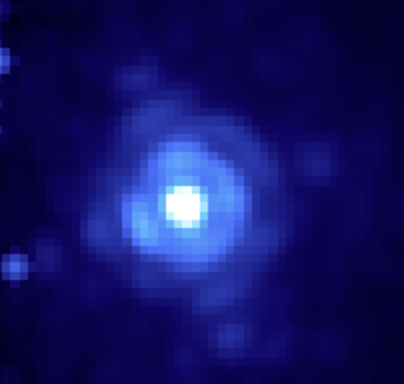
The first MKID-based integral field spectrograph for high-contrast direct imaging of exoplanets at Palomar Observatory.
 Active
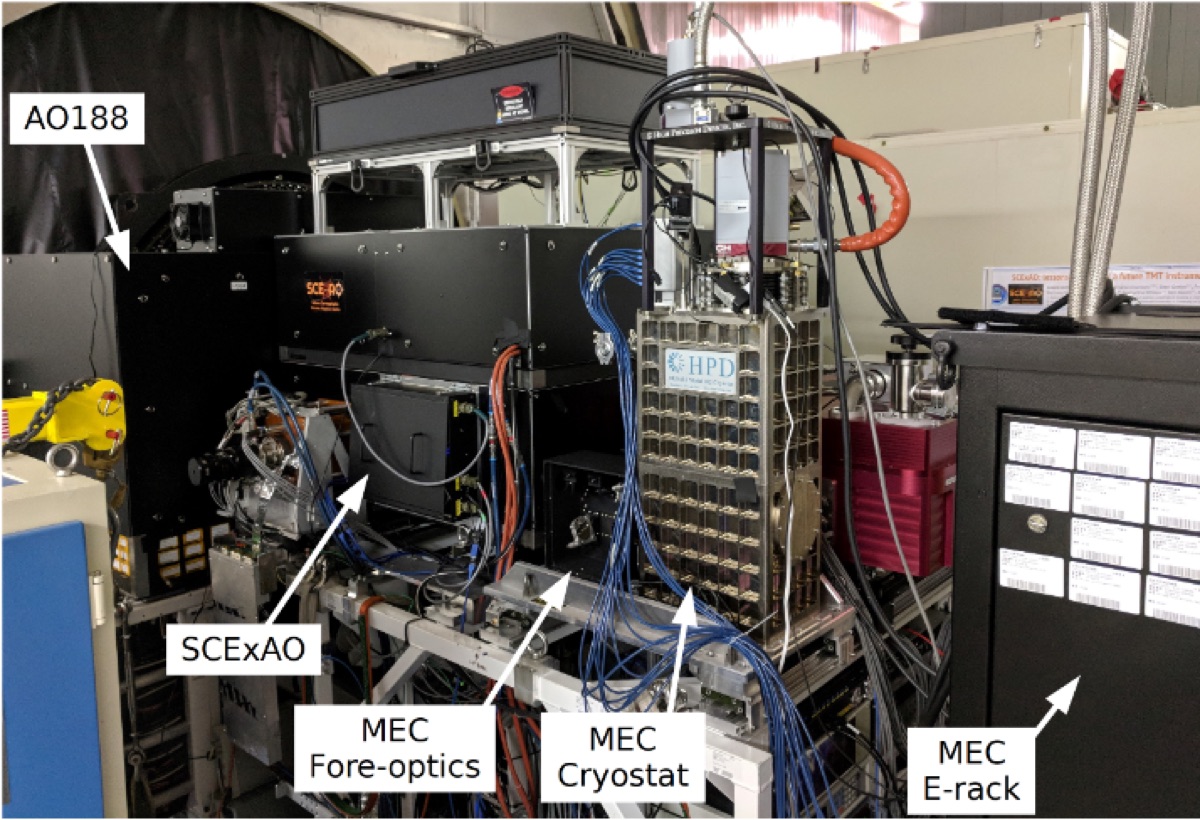
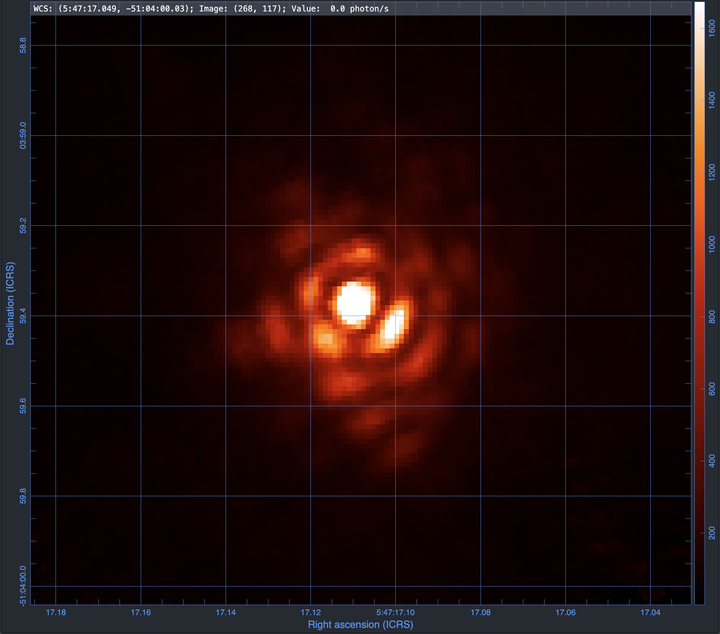
MKID Exoplanet Camera at Subaru Telescope — the world's first operational MKID instrument dedicated to high-contrast imaging of exoplanets.
 Active
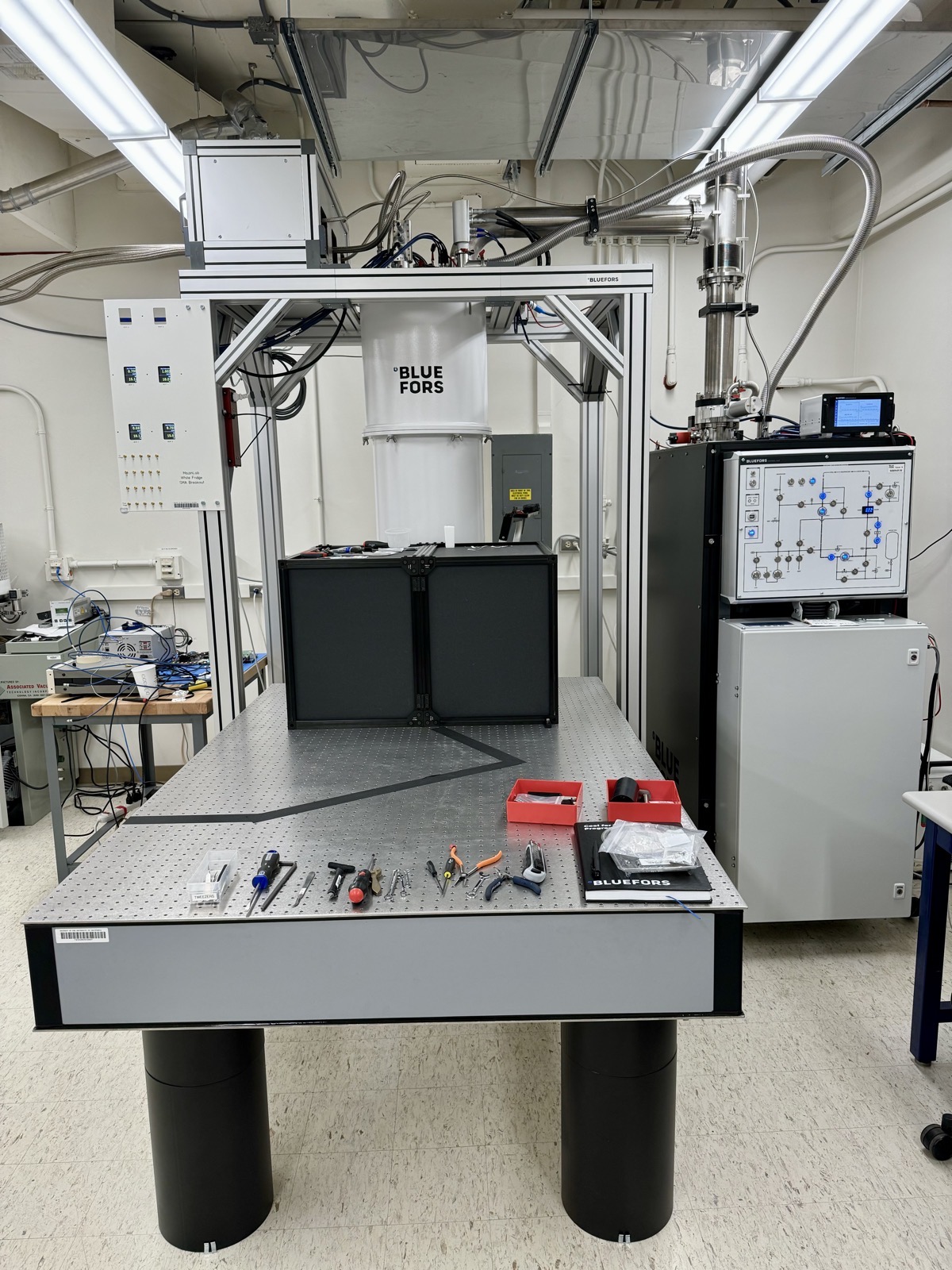
MKID integral field spectrograph at Magellan Clay telescope behind MagAO-X, enabling high-contrast direct imaging from the Southern Hemisphere.
 Upcoming
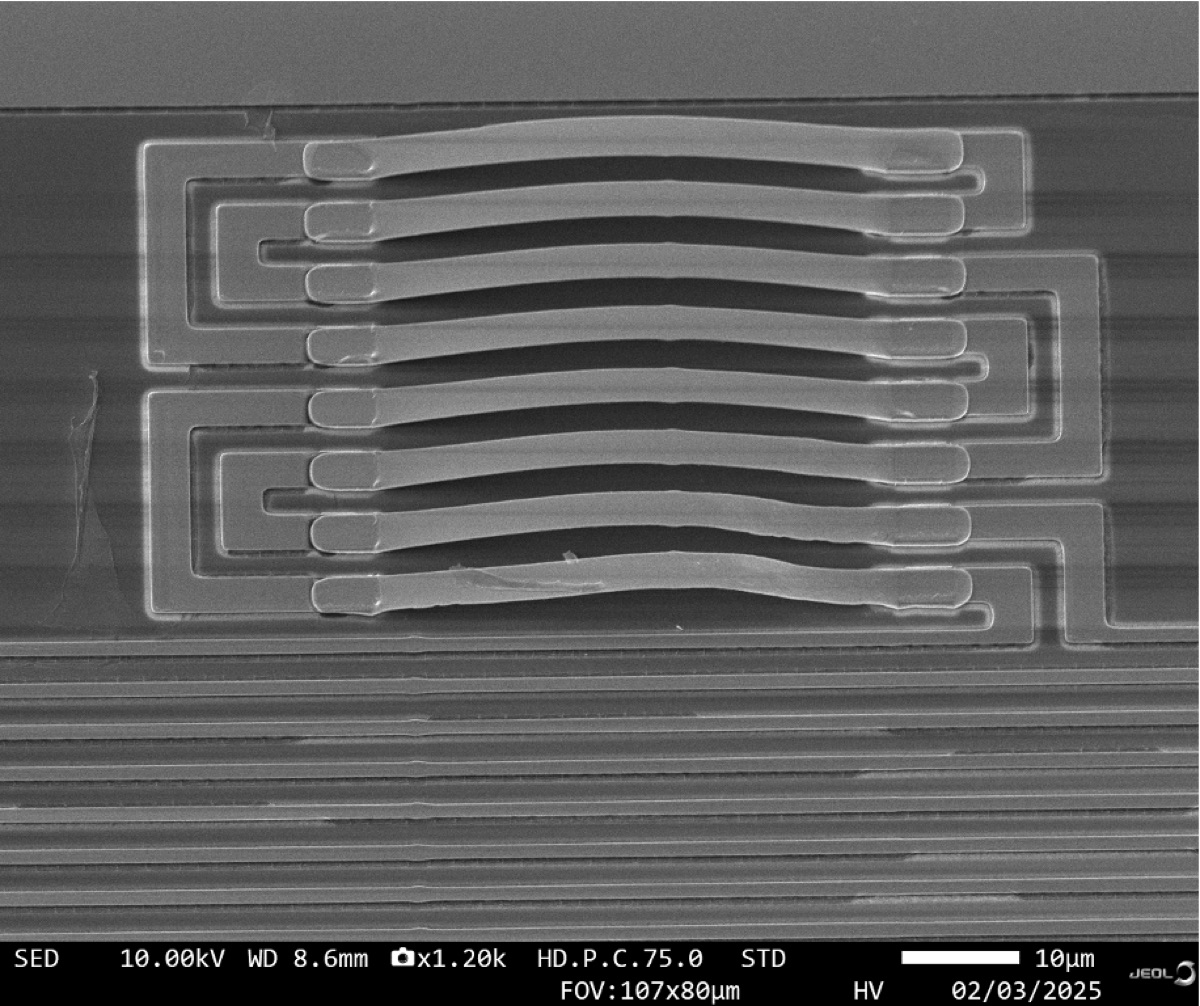
A seeing-limited multi-object spectrograph using MKIDs for noiseless, time-resolved spectroscopy of faint transients and variable sources.
 Upcoming
An upgraded successor to MEC with improved wavelength resolution and more functional pixels for exoplanet atmosphere characterization.
Learn more →Congratulations to Dr. W. Hawkins Clay, who received his Ph.D. for his work on MKID instrumentation and high contrast imaging!
We have been funded by NSF to upgrade our MEC instrument, and by NASA for a novel MKID project.
Graduate Student Aled Cuda won the NSF Graduate Research Fellowship.
We have started a YouTube Channel!
Graduate Student Crystal Kim won the NSTGRO Fellowship, and graduate student Majid Mohammad won the NSF Graduate Research Fellowship.
The XKID instrument has been successfully deployed to the Clay Telescope in Chile.
Follow our YouTube channel for behind-the-scenes videos of MKID detector fabrication, cryogenic lab work, telescope observing runs, and astrophysics explainers from the Mazin Lab team.
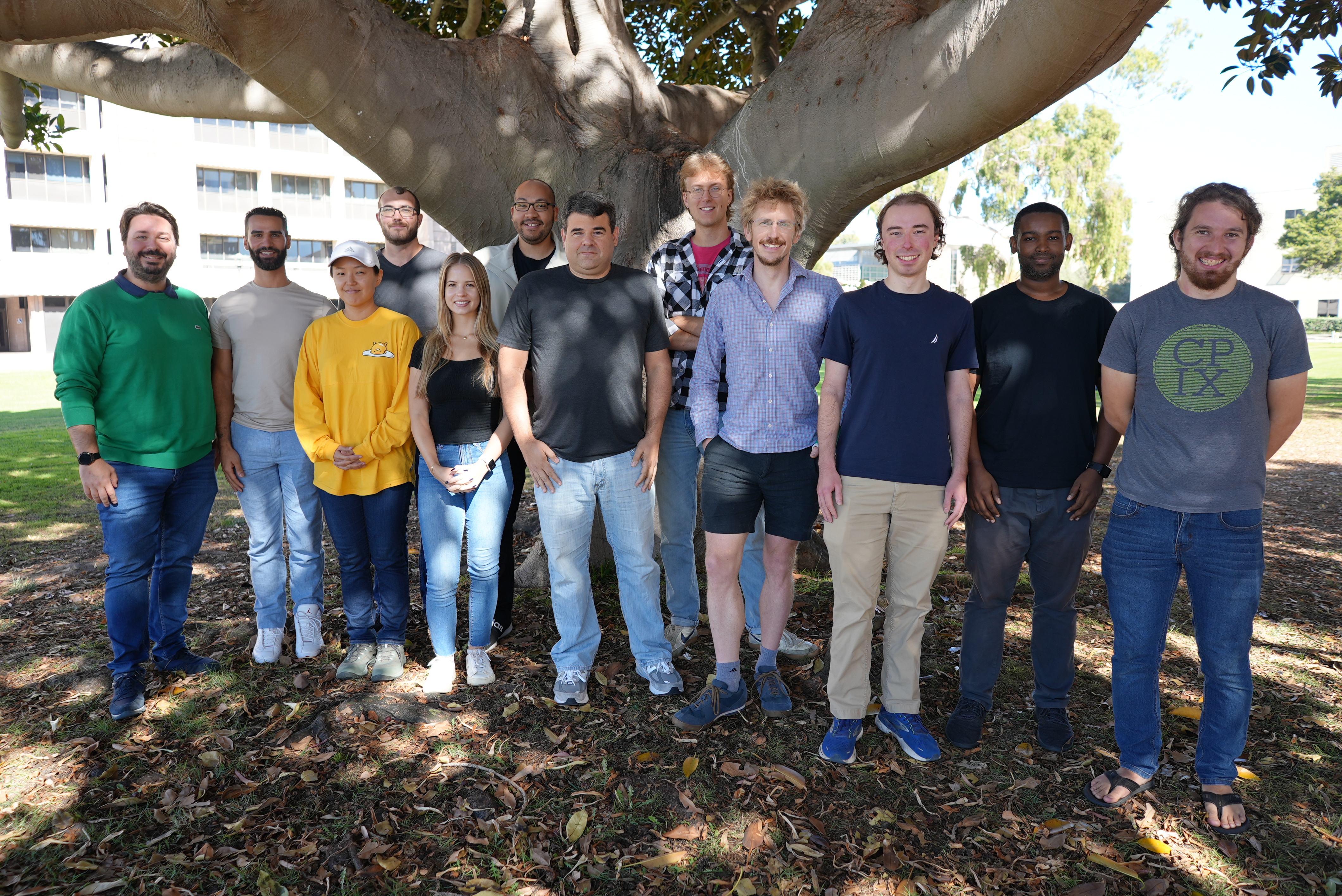
We welcome inquiries from prospective graduate students, postdoctoral researchers, and potential collaborators. Reach out to Professor Mazin directly.